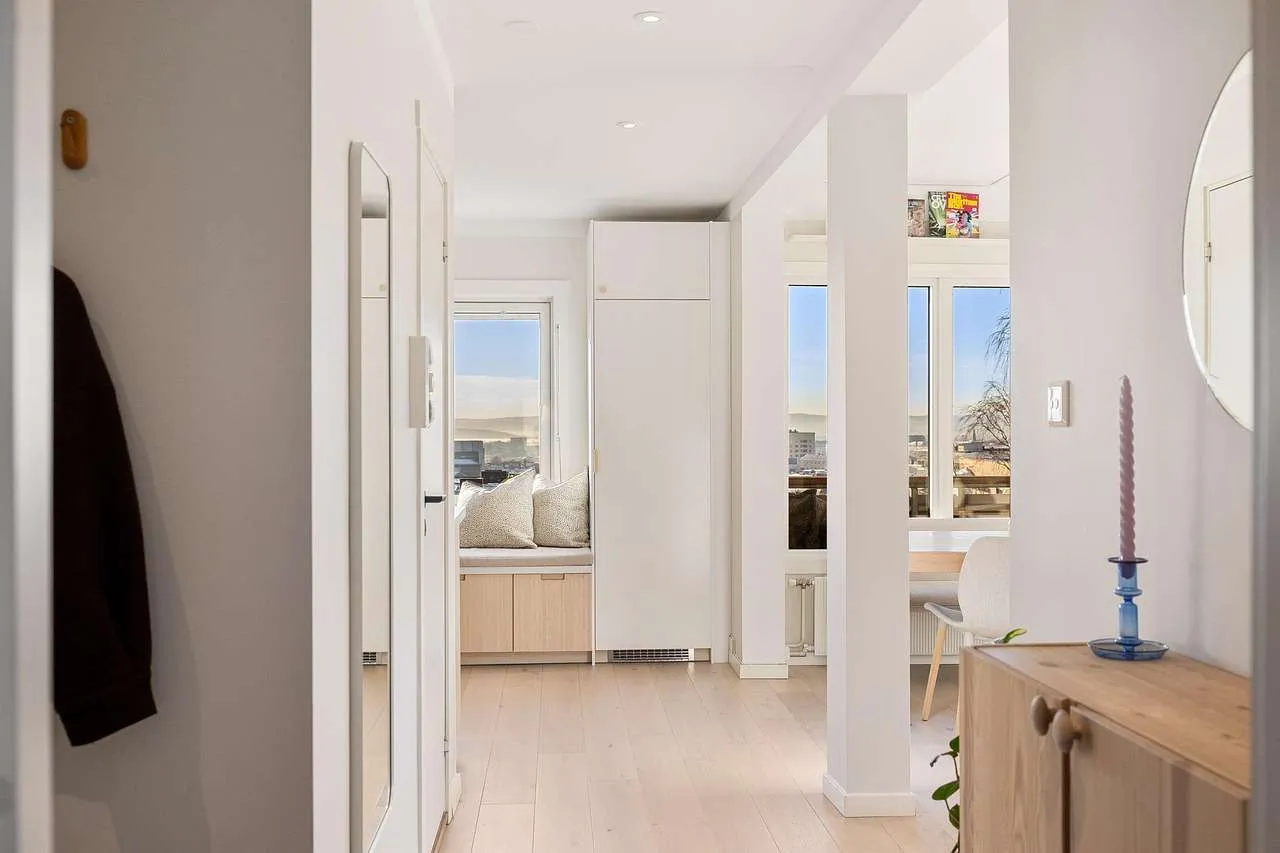
Understanding Home Window Tinting
Home window tinting is the application of specially designed films to residential glass windows, offering numerous benefits ranging from energy efficiency to privacy enhancement. With growing concerns over energy costs and UV protection, more homeowners are opting for professional window tinting solutions to improve their living environment.
What Is Home Window Tinting?
Window tinting involves the installation of thin, multi-layered films on the interior side of a home's window glass. These films can vary in material, color, and reflective properties, aiming to reduce heat gain, block harmful ultraviolet (UV) rays, reduce glare, and add an extra layer of privacy.
Top Benefits of Home Window Tinting
- Energy Efficiency: By blocking significant amounts of solar heat, window tints reduce cooling costs during summer and can help retain heat in winter.
- UV Protection: Quality tints can block up to 99% of harmful UV rays that fade furniture, flooring, and artwork.
- Increased Privacy: Reflective and tinted films prevent outsiders from seeing inside during the day, enhancing privacy without sacrificing natural light.
- Glare Reduction: Window tint dramatically cuts down glare from direct sunlight, improving comfort for reading and screen use.
- Safety and Security: Some window films are designed to reinforce the glass, preventing shattering in case of accidents or break-ins.
Types of Window Films for Homes
Choosing the right type of window tint depends on your primary needs and budget. Here are the common categories:
| Film Type | Description | Key Advantages | Typical Use |
|---|---|---|---|
| Dyed Window Films | Layered dyed films absorb solar heat to reduce glare. | Affordable, good glare reduction, adds privacy. | Basic heat and glare control in living rooms, bedrooms. |
| Metalized Films | Thin metal particles reflect heat and UV rays. | High durability, strong heat rejection, increased security. | Ideal for homes needing superior heat and UV block. |
| Hybrid Films | Combination of dyed and metalized layers for balanced performance. | Reduced glare and heat, less reflective look. | Energy-conscious homeowners seeking blended benefits. |
| Ceramic Films | Non-metallic nanoparticles block heat and UV. | Superior heat reduction, no interference with electronics, UV blocking. | Premium choice for high-efficiency homes. |
| Safety and Security Films | Thicker films that hold glass fragments together. | Glass shatter resistance, increased home security. | Areas prone to storms or security concerns. |
Cost Considerations for Home Window Tinting
The total cost of window tinting varies based on film quality, window size, number of windows, and installation complexity. On average, prices range between $5 to $15 per square foot. While initial costs may seem significant, the long-term savings in energy bills and protection of valuable home furnishings make tinting a worthwhile investment.
Expert Tips for Choosing and Maintaining Home Window Tinting
- Professional Installation: Always hire certified professionals to ensure proper film application without bubbles or peeling.
- Check Local Regulations: Some regions have rules governing window tint darkness and reflectivity.
- Maintenance: Use non-abrasive cleaners and soft cloths. Avoid ammonia-based products to prolong film life.
- Warranty: Choose films with manufacturer warranties to guarantee long-term performance.
Comparison Table: Popular Home Window Tinting Films
| Feature | Dyed Films | Metalized Films | Ceramic Films | Safety Films |
|---|---|---|---|---|
| Heat Rejection | Moderate | High | Very High | Low to Moderate |
| Privacy | Good | Very Good | Moderate | Low |
| UV Protection | Up to 70% | Up to 99% | Up to 99% | Up to 99% |
| Durability | Moderate | High | High | Very High |
| Cost | Lower | Moderate | Higher | Moderate to High |
Frequently Asked Questions
Is window tinting safe for all types of home windows?
Yes, window tinting is generally safe for most glass types, but it’s essential to consult with professionals to ensure the film selection matches your window specifications.
How long does home window tinting last?
With proper installation and maintenance, window tint films typically last 10-15 years before needing replacement.
Can window tinting reduce energy costs significantly?
Yes, reducing heat gain in summer and heat loss in winter can lead to energy savings of 10-30%, depending on your climate and window exposure.
Conclusion
Home window tinting offers a practical and cost-effective solution for enhancing energy efficiency, improving interior comfort, and protecting your home from harmful UV rays and glare. By understanding the different film types, benefits, and installation considerations, homeowners can make informed decisions that provide long-term value and significantly improve their living spaces. For best results, always engage certified professionals and choose high-quality films backed by reliable warranties.